






Pelvic Floor Dysfunction Treatment

Pelvic Floor Dysfunction Treatment in Toronto

Pelvic floor dysfunction affects 1 in 3 women — and it’s highly treatable with pelvic floor physiotherapy. At kāer Wellness in Toronto’s Leslieville, registered pelvic floor physiotherapists treat urinary incontinence, pelvic pain, prolapse, painful intercourse, constipation, and pelvic floor tension.

What is pelvic floor dysfunction?

Pelvic floor dysfunction refers to a wide range of conditions where the muscles, ligaments, or connective tissues of the pelvic floor are not functioning optimally. The pelvic floor may be too weak, too tight, poorly coordinated, or have scar tissue restrictions. Dysfunction can develop during pregnancy, after birth, during perimenopause, after surgery, after injury, or simply as part of life — it’s not always tied to childbirth.

Common symptoms we treat

Urinary symptoms: leaking with cough/sneeze/exercise (stress incontinence), sudden strong urges (urgency incontinence), frequent urination, difficulty fully emptying the bladder.

Pelvic pain: chronic pelvic pain, painful intercourse (dyspareunia), vulvodynia, vaginismus, coccyx pain, sacroiliac pain.

Pelvic organ prolapse: feeling of heaviness, bulging, or pressure in the pelvic floor.

Bowel symptoms: constipation, straining, fecal urgency or incontinence, painful bowel movements.

Pelvic floor tension: chronic pelvic floor tightness, inability to relax, related back or hip pain.

How pelvic floor physiotherapy treats dysfunction

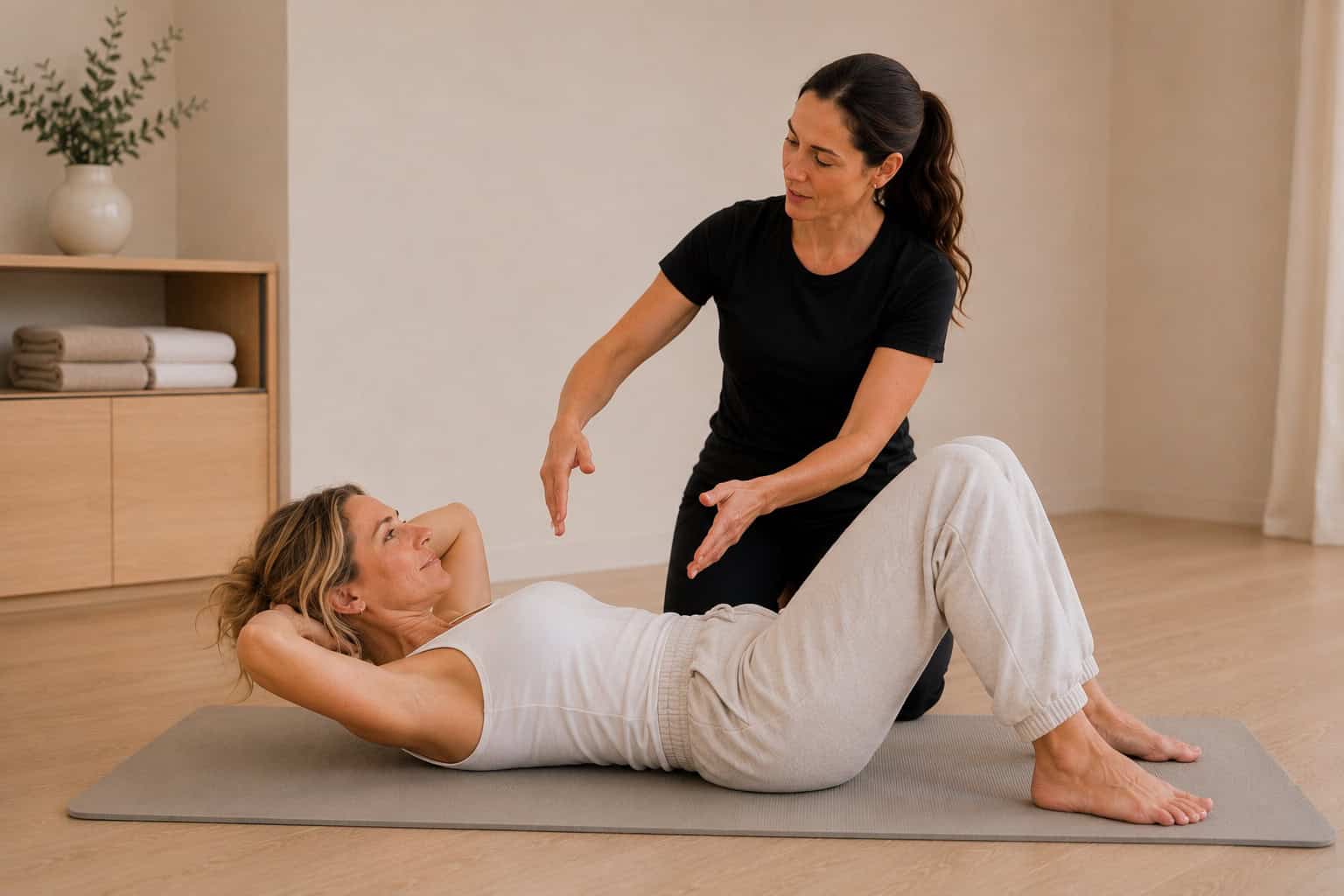
Treatment is highly individualized. Your registered pelvic floor physiotherapist will conduct a detailed assessment (including, with consent, an internal pelvic floor exam) to identify the specific dysfunction pattern. Treatment may include manual therapy, biofeedback, breath retraining, posture work, specific exercises (which may be strengthening OR relaxation depending on your needs), scar tissue mobilization, and lifestyle modifications. Most patients see significant improvement within 6 to 12 sessions.

It’s not just Kegels

One of the biggest myths in pelvic floor health: “just do Kegels.” For many patients with pelvic floor dysfunction, Kegels are not appropriate — and may worsen symptoms. If your pelvic floor is tight or hypertonic, strengthening makes it worse; you need to learn to relax first. A proper assessment is critical before any exercise program.

Why kāer for pelvic floor dysfunction

kāer Wellness has supported Toronto women with pelvic floor concerns since 2012 (formerly Yoga Mamas). Our team of registered pelvic floor physiotherapists are trained in trauma-informed care and work with patients across all life stages — pregnancy, postpartum, perimenopause, menopause, and beyond. Located in Leslieville, serving east Toronto, downtown, the Beaches, and Riverdale.

Pelvic floor dysfunction FAQ

What is pelvic floor dysfunction?

Pelvic floor dysfunction refers to conditions where the pelvic floor muscles are weak, tight, poorly coordinated, or have scar restrictions. It includes leaking, prolapse, pelvic pain, painful intercourse, and bowel issues.

What are the symptoms of pelvic floor dysfunction?

Common symptoms include urinary leaking, urinary urgency or frequency, pelvic heaviness or bulging (prolapse), painful intercourse, chronic pelvic pain, constipation, and pelvic floor tension.

Can pelvic floor physiotherapy treat urinary incontinence?

Yes. Both stress incontinence (leaking with cough/sneeze) and urgency incontinence respond very well to pelvic floor physiotherapy — most patients see significant improvement within 6-12 sessions.

Does pelvic floor physiotherapy help with painful intercourse?

Yes. Painful intercourse is often related to pelvic floor tension, scar tissue, hormonal changes, or trauma — all of which can be addressed with skilled pelvic floor physiotherapy.

Can pelvic floor physiotherapy treat pelvic organ prolapse?

Yes. Pelvic floor physiotherapy is a first-line conservative treatment for mild to moderate prolapse — supporting the pelvic floor, addressing pressure management, and reducing symptoms.

How many sessions will I need to see improvement?

Most patients see meaningful improvement within 6 to 12 sessions, though this varies based on the specific condition, severity, and how long symptoms have been present.

Begin your treatment with a registered pelvic floor physiotherapist at kāer Wellness in Leslieville.