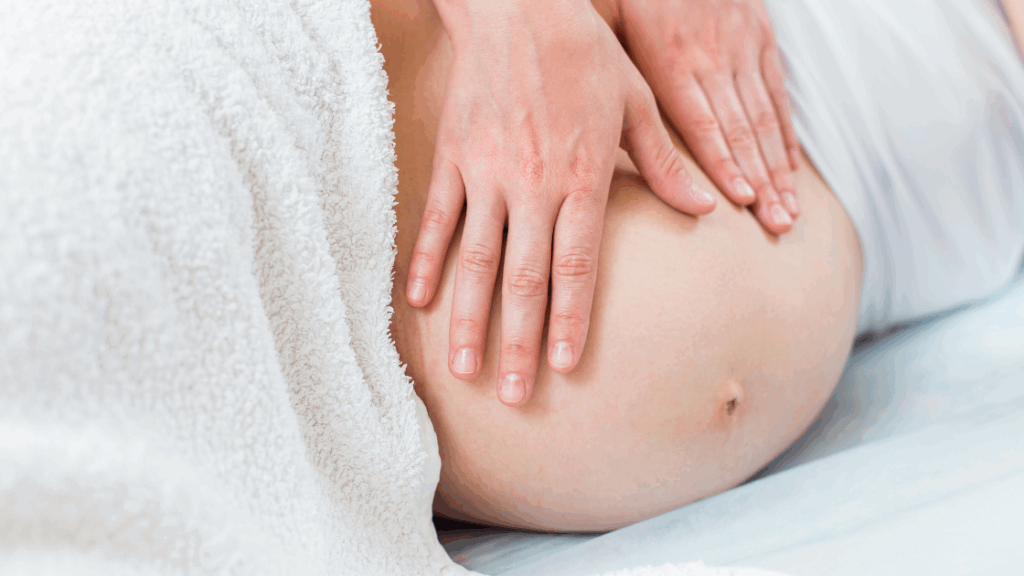

Pelvic Floor Physiotherapy is something we wish more mamas knew about. Your pelvic floor holds together a group of muscles that support your pelvic organs, like your bladder and rectum. Because your pelvis is closely located to your hips, these muscles also play a big role in providing stability to your core.
The pregnancy journey can really exhaust your pelvic floor, resulting in a loss of strength and balance in the muscles. Seeing a pelvic floor physiotherapist is one way to better understand how your pelvic floor is changing and provides you with a safe plan to rebuild your strength. By working with a Pelvic Floor Physio {PFP} from the first trimester, you’ll be able to manage changes in your body with more confidence and support. In postpartum, the guidance of a physiotherapist will help you safely reach your exercise goals.
We sat with Lamiya Zaidi, one of our registered pelvic floor physiotherapists to share more about what you can expect on your first pelvic floor physio appointment.

Book a 60 Minute Pelvic Floor Initial Consultation and Treatment with Lamiya Zaidi. Lamiya offers exceptional care in pregnancy and has been specializing in maternal pelvic health for over 6 years.
Clients are seen in our Toronto clinic with appointments available 7 days a week.
What should I expect in my first appointment?
Initial PFP appointments last for an hour and are a great way for us to get to know you, and for you to learn more about Pelvic Floor Physiotherapy.
Your appointment starts with us discussing your health history, and any concerns you may have. We’ll also review any of your birth and exercise goals. After getting to know you better, we’ll take time to talk about the anatomy and function of the pelvic area. We’ll also assess your areas of concern through special external testing of your joints, muscles, nerves, and fascia. If appropriate, we’ll perform an internal assessment of your pelvic floor muscles. Once your assessment is complete, we’ll share our feedback and a treatment plan for you right away. Your treatments actually start in this session, and we’ll provide you with a home exercise program to maintain the changes addressed.

When should I see a pelvic floor physio in pregnancy?
You should start your pelvic floor physiotherapy appointments as soon as you know you’re pregnant. Internal exams, which allows us to access the pelvic floor muscles, can be conducted as early as 12 weeks of pregnancy.
How can pelvic floor physiotherapy prepare me for labour and delivery?
As expecting mamas near labour, sessions become geared to preparation for labour and delivery. This is done through:
- Education on the different stages of labour
- Optimal positions for the different stages of labour
- Breathing techniques that are connected to the core and pelvic floor
- Pain education / coping techniques
- Techniques on how partners/support can provide comfort measures
- Program for the 4th trimester
How long after the baby arrives should I see a pelvic floor physio?
You can see your pelvic floor physio at 6 weeks postpartum, depending on your delivery and healing. In some cases, I’ve seen people post-cesarean births between 4 to 5 weeks postpartum.
Is an internal exam required to see a pelvic floor physiotherapist?
An internal exam is not a mandatory requirement to see a PFP.
How many sessions are required?
The number of pelvic floor physiotherapist sessions you’ll need are based on individualized treatment plans for each patient. A typical plan may consist of 6-9 visits, but this varies depending on your personal goals.